
A hallway that feels manageable one week can suddenly feel risky after a fall, hospital stay, new diagnosis, or change in mobility. That is often when an occupational therapy home assessment becomes more than a helpful service – it becomes a practical step toward making daily life safer, easier, and more independent.
For many people, home is where the real challenges show up. Getting in and out of the shower, preparing a meal, moving between rooms, managing stairs, or using the bathroom at night can all look very different in a clinic than they do in everyday life. A home assessment allows an occupational therapist to see those routines where they actually happen and recommend supports that are tailored to the person, not just the diagnosis.
What is an occupational therapy home assessment?
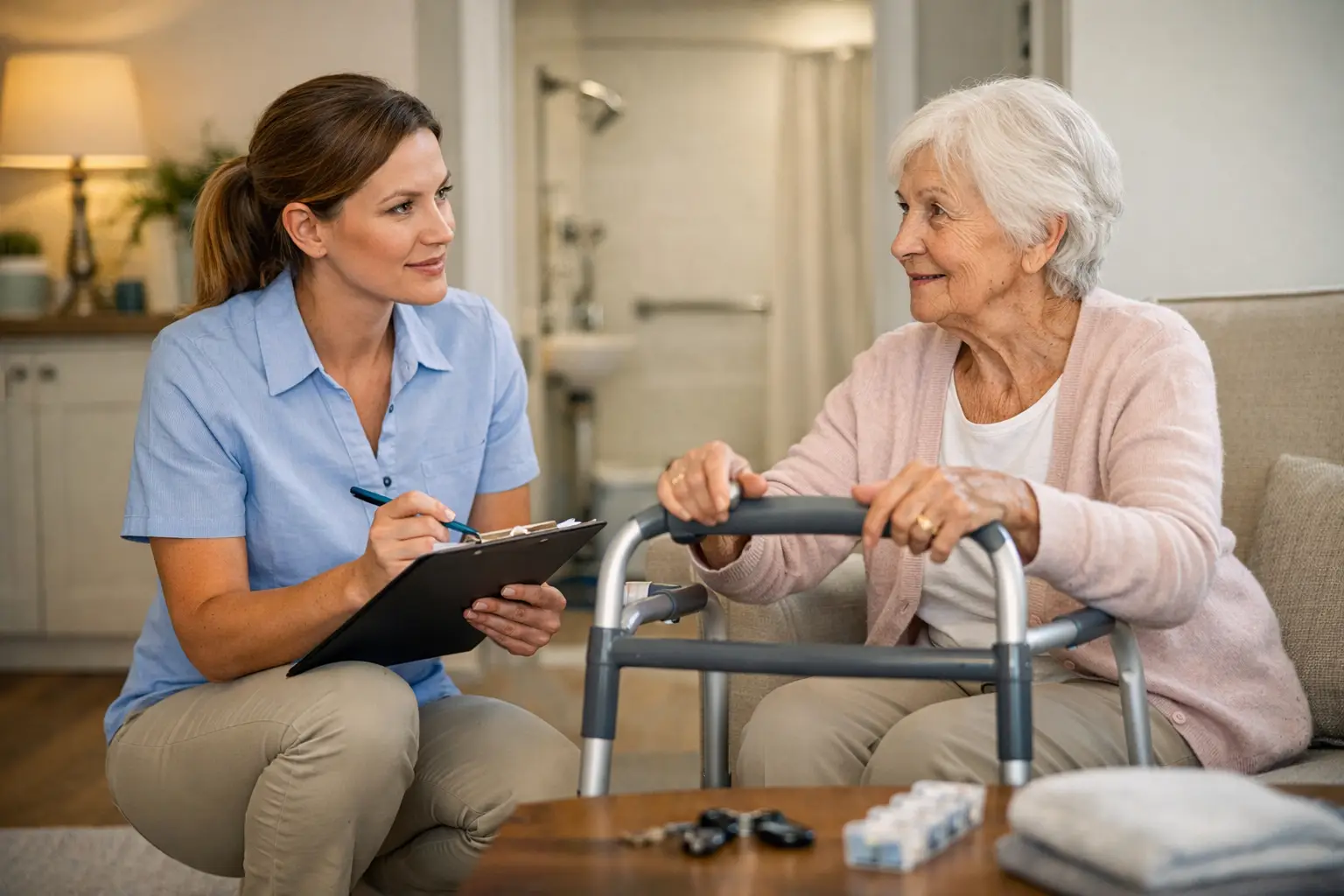
An occupational therapy home assessment is a structured visit to a person’s home to understand how the environment affects safety, function, and independence. The therapist looks at how the person moves through the home, completes daily tasks, uses furniture and equipment, and manages areas that may increase risk.
This is not simply a checklist of hazards. It is a clinical assessment that considers the whole picture, including strength, balance, coordination, cognition, pain, fatigue, sensory needs, and the person’s goals. For one person, the priority may be reducing falls. For another, it may be staying able to shower without hands-on assistance, managing kitchen tasks with less fatigue, or supporting a child’s participation in routines at home.
That is why recommendations from an occupational therapist are often more useful than generic home safety advice. The same home setup can work well for one person and create barriers for someone else.
Who may benefit from an occupational therapy home assessment?
A home assessment can help across the lifespan. Older adults who want to remain at home often benefit when mobility, balance, memory, vision, or confidence have changed. Adults recovering from surgery, injury, stroke, or illness may need temporary or longer-term adjustments while they regain function.
People living with disability may use an occupational therapy home assessment to identify equipment, access solutions, or environmental changes that support daily living. Families of children with developmental, sensory, or physical support needs may also find it valuable, especially when routines like bathing, toileting, dressing, sleep, and mealtime are difficult to manage safely or consistently.
Referrers such as GPs, care coordinators, support coordinators, and case managers often request these assessments when there is a concern about falls, caregiver strain, hospital discharge planning, or declining independence. Sometimes the need is obvious after a major event. Just as often, it begins with smaller signs – avoiding the shower, sleeping downstairs, struggling with transfers, or relying more heavily on family than before.
What an occupational therapy home assessment usually includes
The visit usually starts with conversation. The therapist will ask about current concerns, recent changes, medical history, daily routines, and what matters most to the person and their support network. Safety is important, but so is dignity. Recommendations need to fit how someone lives, not just what seems ideal on paper.
The therapist will then observe relevant activities and home areas. This may include entrances, steps, pathways, bathrooms, bedrooms, kitchens, living areas, and outdoor access. If needed, they may watch how the person transfers from bed to chair, gets on and off the toilet, enters the shower, prepares food, or moves with a walker or wheelchair.
They are also looking at details that are easy to miss without clinical training. Floor surfaces, lighting, door widths, furniture height, reach distances, grab points, storage, clutter, and the placement of everyday items can all affect function. In some cases, cognition, memory, or sensory processing may be just as relevant as mobility.
An assessment may also consider the role of family members or support workers. If a caregiver is helping with transfers or personal care in a way that is physically demanding or unsafe, the therapist may recommend changes that protect both the client and the person assisting them.
Common recommendations after a home assessment
Recommendations vary based on need, budget, and the home itself. Sometimes small changes are enough. Rearranging furniture, improving lighting, removing trip hazards, relocating commonly used items, or adjusting the setup of a bathroom can make a meaningful difference quickly.
In other situations, the therapist may recommend assistive equipment such as shower chairs, over-toilet aids, bed rails, transfer benches, mobility aids, pressure care equipment, or adaptive tools for dressing and meal preparation. These recommendations are usually most effective when matched carefully to the person’s size, strength, abilities, and daily routines.
Home modifications may also be considered. That could include grab rails, handrails, ramps, non-slip flooring, step alterations, widened doorways, or bathroom changes. Not every person needs structural modifications, and not every home is suited to major changes. A good assessment balances ideal outcomes with what is realistic and sustainable.
Sometimes the most valuable recommendation is not a product at all. It may be a different way of completing a task, a safer transfer technique, a pacing strategy for fatigue, or a plan for supervision during higher-risk activities.
Why home-based assessment matters
A person may perform well in a clinic and still struggle at home. Clinics are controlled environments. Homes are not. There are pets, narrow spaces, uneven paths, rushed mornings, poorly placed power cords, low couches, and bathrooms built without accessibility in mind.
That context matters. A home-based assessment gives the therapist a clearer understanding of what is helping, what is getting in the way, and what changes are likely to be used in real life. It also helps avoid recommendations that sound reasonable but do not fit the space, the routine, or the person’s preferences.
This is especially important when the goal is to maintain independence rather than simply respond to crisis. Early intervention can reduce preventable injuries, support safer discharge home, and ease the physical and emotional pressure on families and carers.
What to expect after the assessment
After the visit, the occupational therapist may provide verbal feedback straight away, followed by a written report if required. This report can outline clinical findings, identified risks, and recommendations for equipment, environmental changes, or ongoing therapy support.
Depending on the situation, the report may also support funding applications or care planning through programs such as NDIS, Home Care Packages, Medicare-supported care, or private services. The exact process depends on the funding pathway and the complexity of the recommendations.
Some people need a single assessment and a few practical changes. Others may need follow-up visits to trial equipment, review progress, provide caregiver education, or reassess after recovery or further decline. Needs can change over time, so the best plan is often one that can adapt.
Choosing a provider for an occupational therapy home assessment
Clinical skill matters, but so does approach. A strong home assessment is person-centered, respectful, and grounded in real-life problem solving. Families and referrers usually benefit most from a provider who can explain recommendations clearly, work collaboratively with other supports, and understand the practical realities of care at home.
It also helps to choose a team that is comfortable working across different ages, diagnoses, and funding models. For some clients, the focus is developmental support. For others, it is aging in place, rehabilitation, disability access, or reducing risk after a health event. The underlying principle stays the same: support the person to function as safely and independently as possible in the environment that matters most to them.
At Rapha Allied Health, that kind of care is grounded in compassionate, evidence-based support and an understanding that meaningful therapy often begins where daily life actually happens.
When to arrange an occupational therapy home assessment
The best time is usually earlier than people expect. You do not have to wait for a serious fall, hospital admission, or complete loss of independence. If everyday tasks are becoming harder, if support needs are increasing, or if home no longer feels as manageable as it once did, an assessment can help identify practical next steps before problems escalate.
Sometimes reassurance is part of the value. Families may suspect something is no longer working but feel unsure what to change. A clear assessment can turn that uncertainty into a plan that feels achievable.
A home should support daily living, not make it harder. The right assessment can bring clarity, reduce risk, and create a more workable path forward – one that respects the person’s goals, their routines, and the life they want to keep living at home.



0 Comments